India Just Made It Harder to Import Gold Jewellery — What It Means for Prices, Traders & You
In a move that has caught the jewellery industry off guard, India has quietly tightened its rules on importing gold, silver, and platinum jewellery. What was once a relatively smooth process has now become significantly more controlled — and the impact is already being felt across the market.
For everyday buyers, this may not seem like a big deal at first. But behind the scenes, this change could reshape pricing, availability, and even the way jewellery businesses operate in India.
🚫 What Changed in the New Rules?
The Indian government, through the Directorate General of Foreign Trade (DGFT), has moved gold, silver, and platinum jewellery imports into the “Restricted” category.
- Importing jewellery now requires special government approval
- No automatic or free import allowed anymore
- Applies to all items under Tariff Heading 7113
👉 In simple terms: If you don’t have permission, your jewellery shipment won’t enter India.
⚡ No Warning, No Grace Period
One of the biggest shocks for traders is how suddenly this rule was implemented.
- No transition period
- No relaxation for ongoing shipments
- Immediate enforcement from day one
Even shipments already on the way to India are not spared — if they arrive now, they must comply with the new rules.
🧠 Why Did the Government Take This Step?
The main reason behind this decision is to close a major loophole that was being widely used in the industry.
India has trade agreements with ASEAN countries like Thailand and Vietnam. These agreements allow lower import duties on certain goods.
- Traders were routing raw gold through these countries
- Converting it into jewellery abroad
- Importing it back at lower duty
👉 This workaround reduced government revenue significantly — and the new rule aims to stop exactly that.
🏭 Who Is Still Allowed to Import?
Not all businesses are affected equally. Some categories are exempt:
- Special Economic Zones (SEZs)
- Export Oriented Units (EOUs)
- Government-approved export schemes
👉 The focus is clear: support exports, restrict domestic misuse.
💰 What This Means for Gold Prices in India
While the impact may not be immediate, this move could influence gold jewellery prices over time:
- Imported jewellery may become more expensive
- Limited supply could push prices higher
- Local manufacturers may benefit
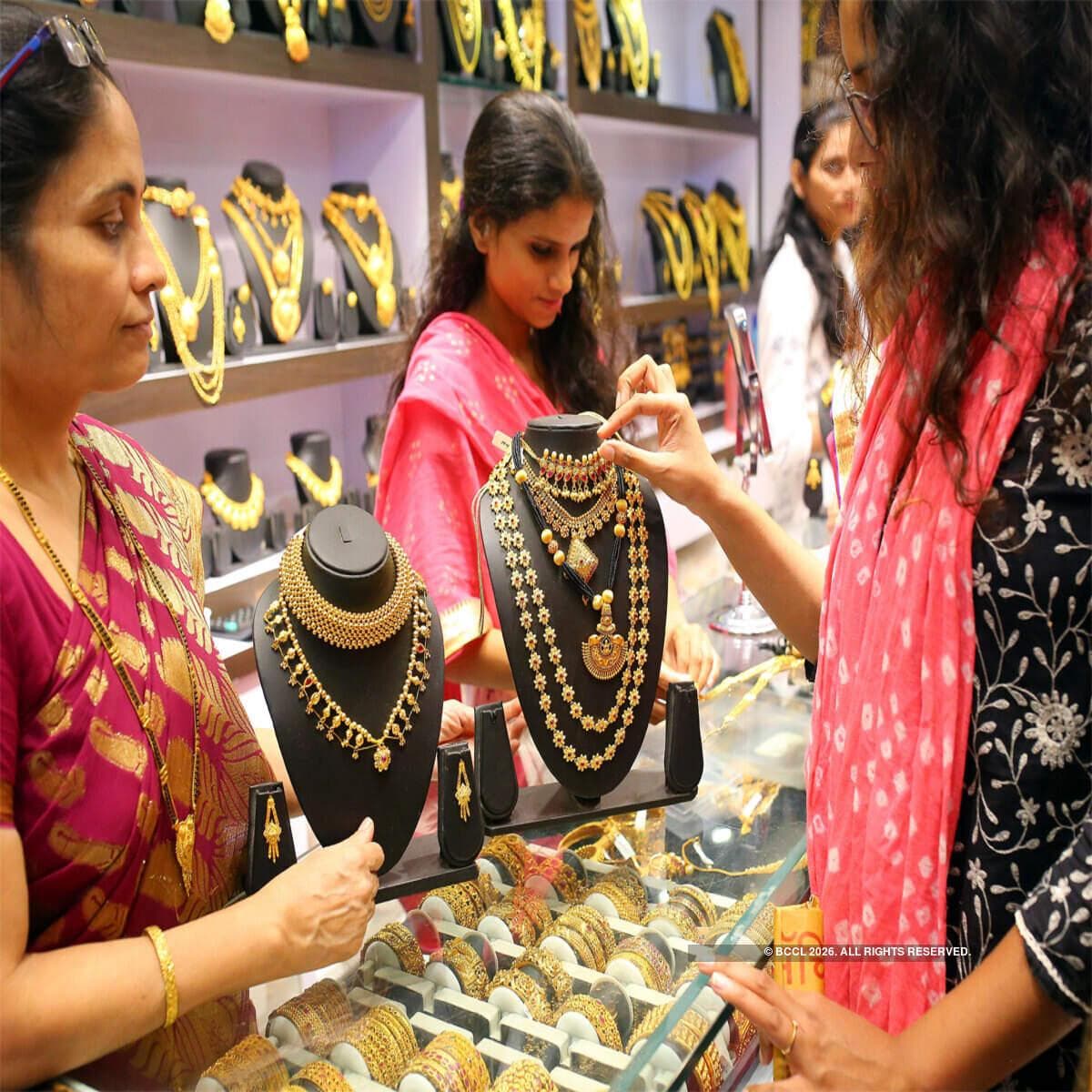
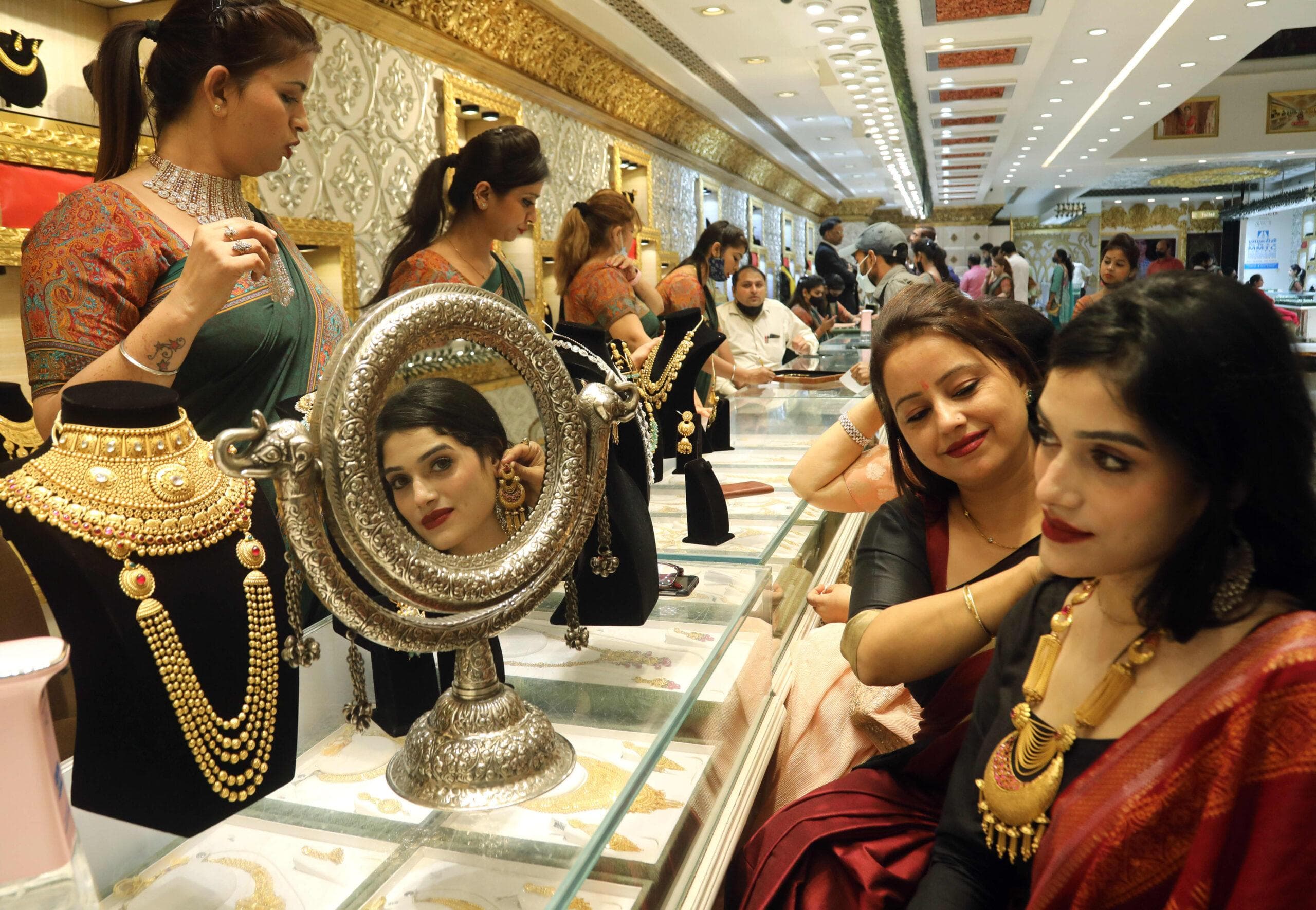
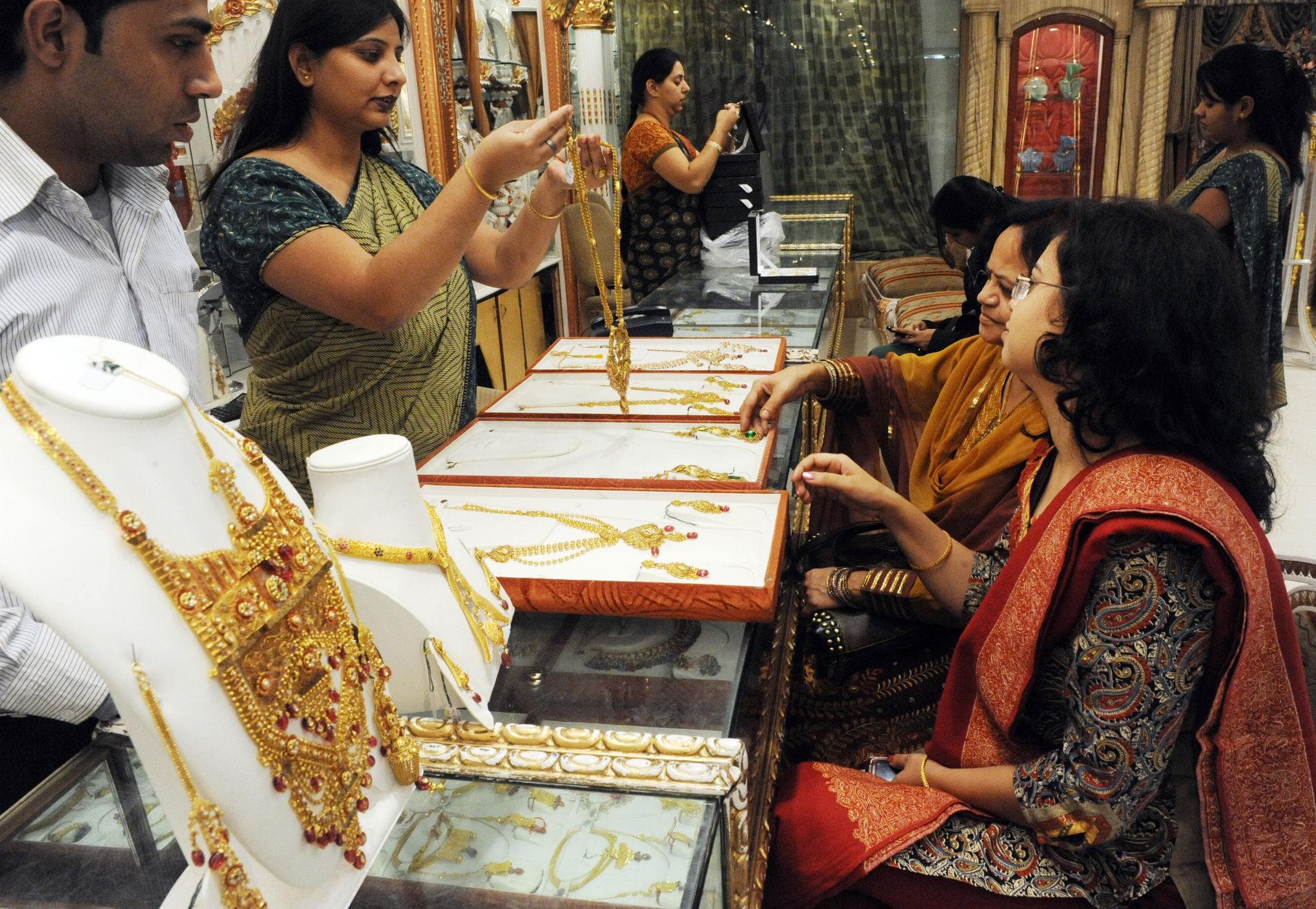
For consumers, this means you might see fewer imported designs and slightly higher costs in the future.
🛍️ Impact on Buyers & Traders
For Buyers
- Possible price increase in imported jewellery
- More focus on locally made designs
For Traders
- Additional paperwork and approvals
- Potential delays in imports
- Higher compliance costs
The biggest concern for businesses right now is whether the approval process will be smooth — or become a bottleneck.
📈 What Happens Next?
The policy looks strong on paper, but its real impact will depend on execution.
If approvals are fast and transparent, the industry may adapt quickly. However, delays or complications could disrupt supply chains and affect market stability.
📌 Final Thoughts
India’s move to restrict jewellery imports is a major shift aimed at protecting domestic markets and preventing misuse of trade agreements.
👉 For buyers, the impact may come slowly — but for traders, the change is immediate and significant.
The real question now is not just why the rule changed, but how smoothly it will be implemented.