PM Modi Asks Indians to Stop Buying Gold for a Year: What It Means, Why He Said It, and What You Should Actually Do
By Satyapal Khakhal, Founder & Financial Content Author, gpaisa.in
Tuesday, May 12, 2026 | Source: ANI, DD News, Al Jazeera
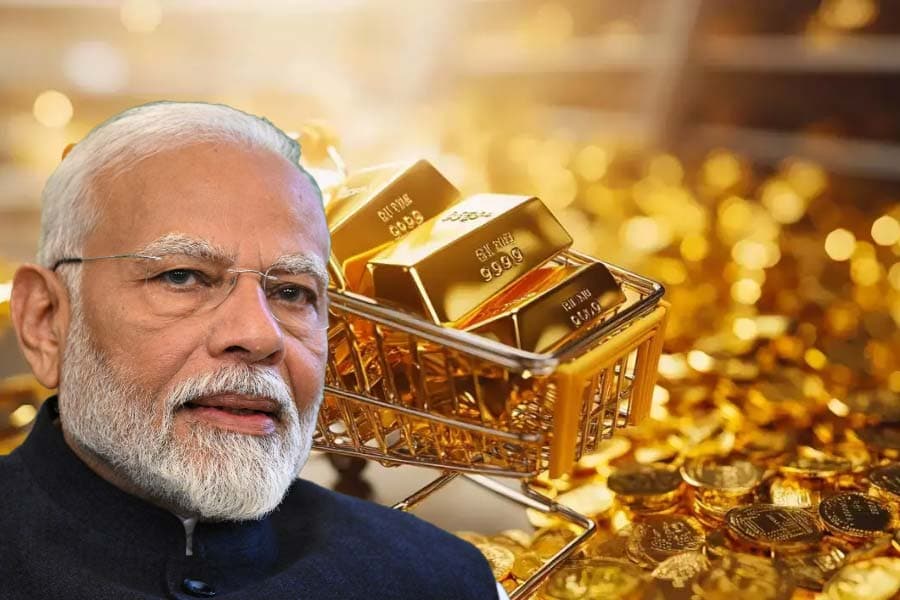
Prime Minister Narendra Modi made a remarkable appeal on Sunday evening — one that directly affects millions of Indian households planning weddings, investments, and gold purchases over the next several months. Speaking at the inauguration of Sardardham Hostel in Vadodara, Gujarat, the Prime Minister urged every Indian citizen to postpone gold purchases until "the situation returns to normal," citing the West Asia war crisis and its mounting pressure on India's foreign exchange reserves.
This is not a ban. It is not a policy change. No law has changed, no import duty has been raised, and no government order restricts you from buying gold today. But when a sitting Prime Minister makes a direct public appeal of this kind, it is worth understanding what is actually behind it, what it means in practical terms for your gold purchase plans, and whether this is likely to have any real effect on prices.
Let us take each of these questions seriously.
What Exactly Did PM Modi Say?
The Prime Minister's appeal on Sunday was part of a broader seven-point call to citizens to reduce India's foreign exchange burden during the ongoing West Asia conflict. His exact words on gold, as reported by ANI: "A huge amount of the country's money also goes abroad on gold imports. Therefore, I would urge all of you, my fellow countrymen, to postpone the purchase of gold until the situation returns to normal."
This was not an isolated remark. The gold appeal was one of seven specific requests Modi made to the public, which also included reducing petrol and diesel consumption, prioritising public transport, adopting work-from-home practices, avoiding foreign tourism, reconsidering destination weddings abroad, and reducing dependence on other imported goods in daily life.
The framing was explicitly economic and patriotic — the Prime Minister drew a direct parallel between the COVID-19 pandemic (which he called "the greatest crisis of this century") and the West Asia crisis, describing it as "one of the major crises of the decade." He made similar appeals the previous day in Telangana, suggesting this is a coordinated government communication campaign rather than a one-off comment.
Why Is the West Asia War Affecting India's Gold Situation?
India is the world's second-largest consumer of gold and imports approximately 700–900 tonnes of gold annually, spending anywhere between $35–55 billion in foreign exchange every year on gold alone. This is one of India's largest import expenditure categories, routinely ranking second only to crude oil in terms of foreign exchange outflow.
The West Asia conflict has created a two-pronged pressure on India's forex position. On one side, crude oil prices have risen sharply — Brent is trading above $108 per barrel — which means India's oil import bill is already significantly elevated. On the other side, global supply chain disruptions from the conflict have raised costs across multiple import categories. The combination of higher oil costs and broader import inflation is putting real pressure on India's current account deficit and foreign exchange reserves.
Gold imports add approximately $4–5 billion per month to this outflow during peak demand periods. When the government is already stretched managing an elevated oil import bill, the Prime Minister asking citizens to voluntarily reduce gold consumption makes clear economic sense — even if it cannot be enforced.
It is also worth noting the timing. India is entering its summer wedding season, which traditionally drives the single largest spike in domestic gold demand each year. An appeal made now, before the peak buying season, is deliberately timed to have the maximum possible impact on demand — whether or not it actually changes behaviour.
Has This Kind of Appeal Worked Before in India?
This is not the first time an Indian government has tried to discourage gold imports through public appeal or policy. The history is instructive.
In 2013, when India faced a severe current account deficit crisis, the then-Finance Minister P. Chidambaram made repeated public appeals for people to reduce gold buying. He said, memorably, that gold is a "dead investment." The government also raised gold import duty from 4% to 8% to 10% in quick succession that year. The result: gold imports initially fell, but then surged as smuggling increased and the duty hikes were gradually reversed.
The Gold Monetisation Scheme launched in 2015 and Sovereign Gold Bonds introduced the same year were designed specifically to reduce physical gold demand by offering investment alternatives. Both have had moderate uptake but have not fundamentally changed India's gold consumption patterns.
The honest answer, based on history, is that voluntary appeals to reduce gold buying have limited lasting effect on aggregate demand. India's gold consumption is deeply cultural — tied to weddings, religious events, and generational wealth transfer — and does not respond strongly to short-term calls for restraint, even from popular leaders. What changes demand more reliably is price (when gold gets significantly more expensive) and availability (when import duty makes physical gold harder to get).
That said, there is an important caveat. Modi's public appeal carries a different political weight than a Finance Minister's comment. His personal popularity and the explicit framing of gold restraint as a patriotic duty during a national crisis may generate more behavioural response than past appeals. The next 4–6 weeks of import data will tell us whether it worked.
What Does This Mean for Gold Prices in India?
In the immediate term: very little. Gold prices on May 11 were trading at ₹15,234 per gram (₹1,52,340 per 10 grams), largely unchanged from the previous day despite Modi's Telangana appeal on Sunday. The market has priced in the news without any significant reaction — a signal that professional traders view the appeal as having limited short-term price impact.
However, there are two scenarios where this development could meaningfully affect prices over the next 3–6 months:
Scenario 1 — Policy follows rhetoric: If the government follows up this public appeal with actual policy measures — an import duty hike, a temporary cap on gold imports, or restrictions on gold jewellery lending — prices in India could move sharply. Import duty increases in 2013 caused domestic gold prices to diverge meaningfully from international prices, and a repeat of that policy is possible if the current account situation worsens. Watch the Union Budget revision and RBI statements in the coming weeks for any signals in this direction.
Scenario 2 — Appeal gains traction: If the patriotic framing resonates and a meaningful portion of the urban middle class defers wedding gold purchases, domestic demand could soften through Q2 2026. This would not cause a dramatic price fall — international gold prices are driven by global factors, not Indian domestic demand — but could reduce the domestic premium over international prices and slightly moderate retail price growth.
The most likely outcome is Scenario 3: the appeal is widely reported, generates considerable discussion, and has minimal actual effect on aggregate gold purchases. Cultural and financial motivations for buying gold at weddings and as investment are deeply rooted, and a voluntary appeal during a period of elevated prices has historically not been enough to change that behaviour at scale.
Should You Follow PM Modi's Appeal? A Practical Framework
This is the question most readers actually want answered, and the honest answer is that it depends on why you were planning to buy gold in the first place.
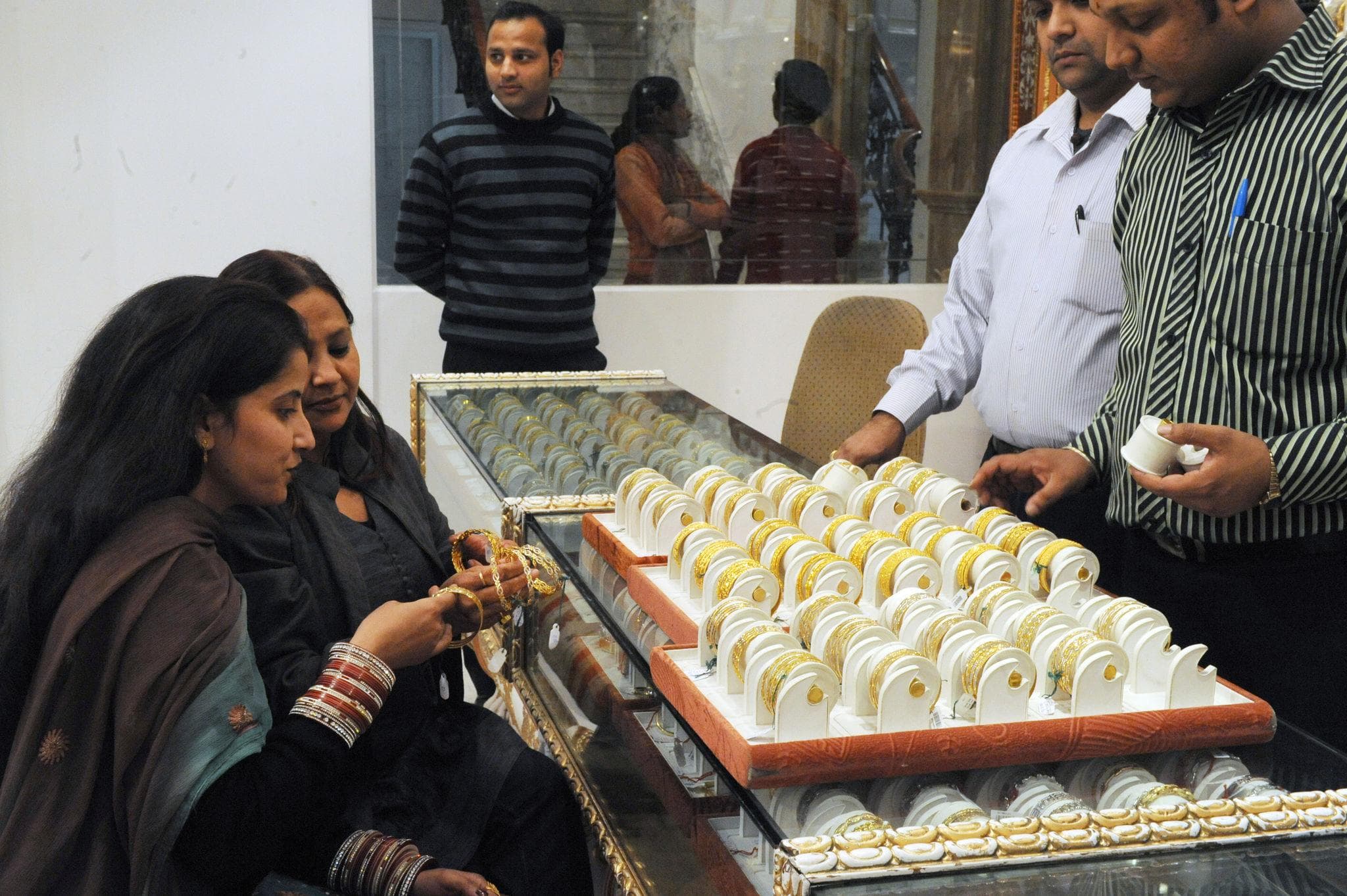
If you are buying gold for a wedding in the next 3 months: The Prime Minister's appeal is understandable at the national level, but it puts individual families in a genuinely difficult position. Wedding gold is not discretionary for most Indian households — it is a cultural obligation with real social dimensions. If you have a wedding scheduled and gold is part of the ceremony or gift exchange, buying now at ₹15,234 per gram is more prudent than waiting 3–6 months on the hope that prices will fall. They may not, and you will have the same purchase to make at a potentially higher price. A staged approach over the next few weeks remains sensible.
If you are buying gold purely as an investment: The PM's appeal is worth taking more seriously in this context. Gold has risen over 120% since early 2024. Postponing a fresh investment position by 2–3 months does not meaningfully hurt your long-term returns, and if the government does follow up with import duty hikes or demand-reduction measures, there could be a better entry point in Q3 2026. Continuing your existing SIP in gold ETFs or digital gold makes sense — pausing new lump-sum investments is a reasonable response to this news.
If you hold existing gold (jewellery, bars, ETFs, SGBs): Do nothing. There is no reason to sell based on a voluntary government appeal that has no binding force and historically limited price impact. Your existing gold holdings are not affected by this announcement.
If you are considering Sovereign Gold Bonds: Continuing to invest in SGBs is entirely consistent with the spirit of Modi's appeal — you are not adding to physical gold imports, you are investing in a government-backed instrument that does not require any physical gold to be imported. The Prime Minister specifically said to reduce gold imports; SGBs do not drive imports.
What Happens to Gold Prices If India Actually Reduces Imports?
India accounts for roughly 20–25% of global gold demand in a typical year. If Indian demand meaningfully declined — say by 20–30% for a sustained period — it would have a visible impact on international gold prices. A sustained demand reduction of that scale from the world's second-largest consumer would typically put 3–5% downward pressure on international gold prices.
In practice, however, a sustained 20–30% drop in Indian gold demand has never happened from a voluntary appeal alone. The most significant demand reductions India has experienced were driven by import duty hikes (2013) and the COVID-19 lockdowns (2020) — both involuntary restrictions, not requests. The current appeal is voluntary.
For Indian retail buyers, even if international prices dipped modestly on softer Indian demand, the benefit would likely be offset if the government simultaneously raised import duty — which is the other tool available if the forex situation requires stronger action. The net price impact for a domestic buyer is therefore uncertain and potentially neutral even in the event of a demand response.
Today's Gold and Silver Prices — May 12, 2026
| City | 24K (per gram) | 24K (per 10g) | 22K (per gram) | 22K (per 10g) |
|---|---|---|---|---|
| Mumbai | ₹15,234 | ₹1,52,340 | ₹13,964 | ₹1,39,640 |
| Delhi | ₹15,249 | ₹1,52,490 | ₹13,979 | ₹1,39,790 |
| Chennai | ₹15,436 | ₹1,54,360 | ₹14,149 | ₹1,41,490 |
| Bengaluru | ₹15,234 | ₹1,52,340 | ₹13,964 | ₹1,39,640 |
| Kolkata | ₹15,234 | ₹1,52,340 | ₹13,964 | ₹1,39,640 |
| Hyderabad | ₹15,234 | ₹1,52,340 | ₹13,964 | ₹1,39,640 |
Silver 999: ₹2,74,900/kg (₹274.90/gram) — up 12.3% from last week.
Source: MCX, IBJA as of May 12, 2026 morning. Check our live gold rate page for intraday updates.
Frequently Asked Questions
Has PM Modi banned gold purchases in India?
No. PM Modi has made a voluntary public appeal for citizens to postpone gold purchases to ease pressure on India's foreign exchange reserves during the West Asia crisis. No law, notification, or import restriction has been issued. Gold purchases remain completely legal, and no policy change has been announced as of May 12, 2026.
Will gold prices fall because of PM Modi's appeal?
Immediate market reaction has been negligible — prices on May 11–12 are unchanged from pre-appeal levels. Whether the appeal affects prices over the next 3–6 months depends on whether significant numbers of buyers actually defer purchases, and whether the government follows up with any binding policy measures such as import duty hikes. Historical precedent suggests voluntary appeals alone have limited lasting impact on Indian gold demand.
Should I cancel my wedding gold order because of the PM's appeal?
That is a personal and family decision. The Prime Minister's appeal reflects genuine economic concern about India's forex position. But for families with confirmed wedding dates in the next 60–90 days, deferring gold purchases creates real logistical and social challenges. Many families will reasonably conclude that their wedding obligations outweigh the request, and that is a legitimate decision to make.
Is investing in Sovereign Gold Bonds okay despite the appeal?
Yes. Sovereign Gold Bonds are a government-backed investment instrument that does not involve physical gold imports. Investing in SGBs does not add to India's import burden. The PM's appeal specifically targets gold imports and physical gold consumption — SGBs, gold ETFs, and digital gold backed by already-imported gold are structurally different from fresh physical gold demand.
What happened to gold prices the last time the government appealed to reduce gold buying?
In 2013, voluntary appeals by then-Finance Minister P. Chidambaram to reduce gold purchases had limited effect on demand. The government subsequently raised import duty from 4% to 10% in stages — which did reduce official imports but led to a surge in smuggling. Eventually, duties were reduced again. The most successful government initiative to channel gold demand was the introduction of Sovereign Gold Bonds in 2015, which continues today.
Related reading: Gold vs Fixed Deposit in 2026 | Why Gold Has Nearly Doubled Since 2024 | Live Gold Rate Today
Disclaimer: This article is for informational and educational purposes only. It does not constitute financial, legal, or investment advice. All gold and silver prices mentioned are indicative retail rates sourced from MCX and IBJA as of May 11–12, 2026. Government policy information is sourced from ANI, DD News, and Al Jazeera and is accurate as of publication. Policy situations may change — readers are advised to verify the latest government notifications before making any financial decisions. Please consult a SEBI-registered financial advisor for personalised investment guidance.